
In today’s fast-moving industrial and engineering world, efficiency, precision, and performance are everything. One term that has been gaining attention across multiple sectors is EMC activator. Whether you’re in manufacturing, electronics, automotive, or materials science, understanding EMC activators can help you optimize processes and improve product quality.
This guide breaks down what an EMC activator is, how it works, its applications, benefits, and why it matters for modern industries.
What is an EMC Activator?
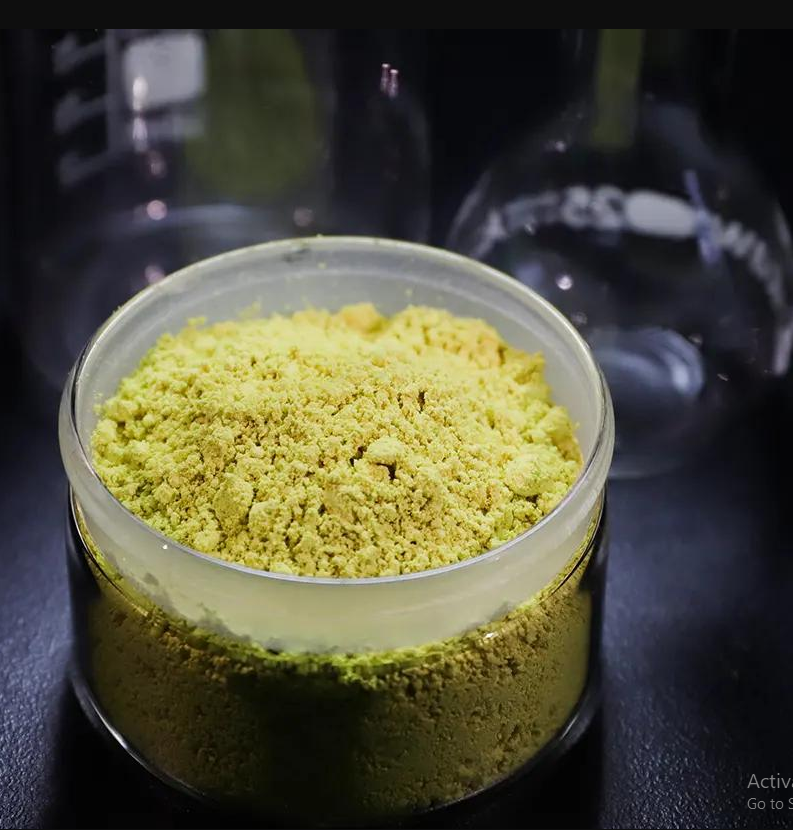
An EMC activator is a chemical or material additive used to enhance the performance, reactivity, or efficiency of a system—commonly in environments involving Epoxy Molding Compounds (EMC) or similar materials. These activators play a crucial role in improving curing processes, bonding strength, and overall material properties.
In simpler terms, an EMC activator helps materials react better, faster, and more efficiently during production or application.
How Does an EMC Activator Work?
The working principle of an EMC activator depends on its specific application, but generally, it functions by:
Accelerating chemical reactions
It speeds up curing or bonding processes, reducing production time.
Improving cross-linking
It enhances the structural integrity of materials by promoting stronger molecular bonds.
Enhancing conductivity or compatibility
In some systems, it ensures better interaction between different components.
Reducing energy requirements
Faster reactions often mean less heat or pressure is needed.
These improvements are particularly valuable in high-performance manufacturing environments.
Key Applications of EMC Activators
EMC activators are widely used across several industries. Here are the most common applications:
1. Semiconductor Packaging
In the electronics industry, EMC activators are essential for:
Improving encapsulation of microchips
Enhancing durability against heat and moisture
Ensuring long-term reliability of circuits
They help maintain performance in sensitive electronic components.
2. Automotive Industry
Modern vehicles rely heavily on advanced materials. EMC activators help by:
Strengthening composite materials
Improving heat resistanceEnhancing bonding in engine and electronic parts
This leads to safer and more durable vehicles.
3. Industrial Manufacturing
Manufacturers use EMC activators to:
Speed up production cycles
Improve material consistency
Reduce defects and waste
This directly impacts productivity and cost efficiency.
4. Construction Materials
In construction, EMC activators can be used to:
Improve curing of resins and coatings
Enhance structural strength
Increase resistance to environmental stress
5. Electrical and Insulation Systems
EMC activators are useful in:
Enhancing insulation materials
Improving resistance to electrical stressExtending lifespan of electrical components
Benefits of Using an EMC Activator
Using an EMC activator offers several advantages:
Faster Processing Time
One of the biggest benefits is reduced curing or reaction time, allowing quicker production cycles.
Improved Material Strength
Stronger bonds lead to more durable and reliable products.
Better Thermal Stability
Materials can withstand higher temperatures without degrading.
Enhanced Product Quality
Fewer defects and better consistency improve overall quality.
Cost Efficiency
Faster production and reduced waste lower operational costs.
Types of EMC Activators
Different types of EMC activators are available depending on the application:
1. Chemical Activators
These are the most common and are used to trigger or accelerate chemical reactions.
2. Thermal Activators
Activated by heat, these are widely used in curing processes.
3. Catalytic Activators
They act as catalysts to enhance reaction rates without being consumed.
4. Hybrid Activators
A combination of different activation methods for advanced applications.
Factors to Consider When Choosing an EMC Activator
Selecting the right EMC activator is crucial for optimal performance. Consider the following:
Compatibility
Ensure the activator works well with your base material.
Reaction Speed
Choose based on how fast you need the process to occur.
Temperature Requirements
Some activators require specific temperature conditions.
Environmental Impact
Opt for eco-friendly options when possible.
Cost vs Performance
Balance affordability with efficiency.
Common Challenges and Solutions
While EMC activators are highly beneficial, they can present some challenges:
Challenge: Over-activation
Too much activator can lead to:
Weak material structure
Uncontrolled reactions
Solution: Use precise measurements and follow guidelines.
Challenge: Compatibility Issues
Not all activators work with every material.
Solution: Conduct testing before full-scale use.
Challenge: Storage and Stability
Some activators degrade over time.
Solution: Store in controlled environments and check shelf life.
Future Trends in EMC Activators
The demand for high-performance materials is driving innovation in EMC activators. Some key trends include:
Eco-friendly formulations
Reduced environmental impact and safer usage.
Nanotechnology integration
Improved performance at microscopic levels.
Smart activators
Materials that respond to specific conditions automatically.
Advanced semiconductor applications
Supporting next-generation electronics and AI hardware.
Why EMC Activator is Important for SEO and Traffic
If you’re targeting the keyword “emc activator”, you’re entering a niche but valuable market. Here’s why it’s a good SEO opportunity:
Low Competition, High Value
Technical keywords often have less competition but attract highly targeted users.
Industry-Specific Audience
Your traffic will likely include professionals, engineers, and buyers.
Conversion Potential
Visitors searching this term are often looking for solutions or products.
SEO Tips to Rank for “EMC Activator”
To maximize traffic, follow these strategies:
Use the Keyword Naturally
Include “emc activator” in:
Title
Headings
Meta description
First 100 words
Add Related Keywords
Use variations like:
EMC curing activator
epoxy molding compound activator
industrial EMC solutions
Create High-Quality Content
Detailed, informative content ranks better and keeps users engaged.
Optimize for Mobile and Speed
Fast-loading pages improve rankings and user experience.
Build Backlinks
Get links from relevant industry blogs and websites.
Conclusion
An EMC activator is a powerful component in modern industrial and material applications. From improving curing efficiency to enhancing product durability, its role is essential in high-performance environments.
As industries continue to evolve, the importance of EMC activators will only grow. Whether you’re a manufacturer, engineer, or business owner, understanding and leveraging this technology can give you a competitive edge.
If your goal is to attract targeted traffic, focusing on this keyword with well-optimized, valuable content is a smart and strategic move.













Leave a Reply