
If you recently noticed the strange URL content://cz.mobilesoft.appblock.fileprovider/cache/blank.html on your Android device, you are not alone. Thousands of users search for this keyword every month because they are confused about what it means, where it comes from, and whether it is safe.
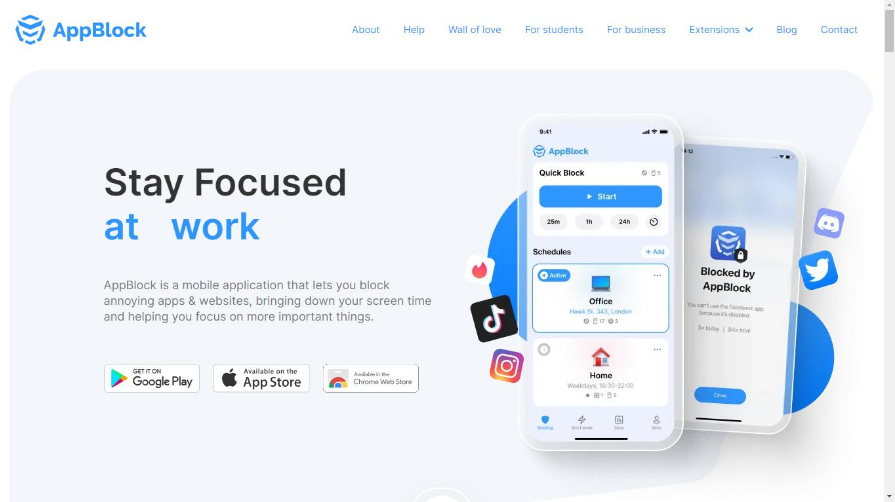
At first glance, the URL may look suspicious or even harmful. However, in most cases, it is actually connected to a legitimate Android productivity application called AppBlock.
In this article, we’ll explain what this URL means, why it appears, how it works, and whether you should worry about it.
What Is content://cz.mobilesoft.appblock.fileprovider/cache/blank.html?
The keyword content://cz.mobilesoft.appblock.fileprovider/cache/blank.html is an Android content URI associated with the AppBlock application.
Breaking it down:
| Part | Meaning |
|---|---|
| content:// | Android content URI protocol |
| cz.mobilesoft.appblock | Package name of the AppBlock app |
| fileprovider | Android file-sharing system |
| cache/blank.html | Temporary cached HTML file |
Essentially, this path refers to a temporary blank HTML file generated or used by the AppBlock app.
What Is AppBlock?
AppBlock is a popular Android productivity application designed to help users:
Block distracting apps
Reduce screen time
Improve focus
Restrict websites
Increase productivity
Many people use AppBlock while studying, working, or trying to reduce social media addiction.
The app creates temporary cached files to manage blocked content and web restrictions. One of these files may appear as:
content://cz.mobilesoft.appblock.fileprovider/cache/blank.html
Why Does This URL Appear?
This URL usually appears for one of several reasons.
1. Website Blocking
When AppBlock blocks a website, it may redirect the browser to a blank HTML page stored inside the app’s cache.
Instead of loading the original website, the app loads:
blank.html
This creates an empty or blocked page experience.
2. Browser Redirection
Some Android browsers display internal content URIs during redirection processes.
This can happen when:
A website is blocked
A browser session fails
AppBlock interrupts web access
Focus mode is enabled
3. Temporary Cache Storage
Android apps often create temporary cached files to improve performance and reduce loading times.
The blank.html file is usually harmless and temporary.
Is content://cz.mobilesoft.appblock.fileprovider/cache/blank.html Safe?
In most cases, yes.
The URI itself is generally safe because it belongs to a legitimate Android app package.
However, users often become concerned because:
The URL looks technical
It appears unexpectedly
Browsers may show blank pages
It resembles suspicious system paths
Fortunately, the presence of this URL alone does not usually indicate malware or hacking.
When Should You Be Concerned?
Although the URL is typically harmless, there are a few situations where you should investigate further.
Excessive Redirects
If your device constantly redirects to blank pages even when AppBlock is disabled, there could be another issue.
Unknown App Installations
If you never installed AppBlock but still see this URI, check your installed apps carefully.
Browser Problems
Some browser extensions or third-party apps may conflict with AppBlock and cause repeated blank-page errors.
Device Performance Issues
If you experience:
- Slow performance
- Random popups
- Frequent crashes
- Suspicious permissions
You should run a security scan on your device.
How Android Content URIs Work
To better understand this keyword, it helps to know how Android content URIs function.
Android uses the content:// protocol to securely share files between apps.
Unlike direct file paths, content URIs improve security by controlling access permissions.
For example:
- Apps cannot freely access all files
- Temporary files remain isolated
- File sharing becomes safer
The “fileprovider” component specifically helps Android apps share files securely with browsers or other applications.
Why Is blank.html Used?
The blank.html file serves a very simple purpose.
It acts as an empty webpage placeholder.
Apps commonly use blank HTML pages to:
- Stop page loading
- Redirect blocked websites
- Prevent unwanted scripts
- Replace restricted content
- Simplify browser handling
In AppBlock’s case, blank.html often appears when access to a blocked website is denied.
Common User Questions
“Is This a Virus?”
Usually no.
The URI itself is connected to AppBlock and is not normally malware.
“Can I Delete It?”
You generally do not need to delete it manually because cached files are temporary.
However, clearing the app cache can remove it.
“Why Does My Browser Show a Blank Page?”
This usually happens because AppBlock intercepted a blocked website request.
“Can I Disable It?”
Yes. Disabling website blocking or uninstalling AppBlock will typically stop the redirects.
How to Fix Repeated Blank Page Issues
If the blank.html page becomes annoying, here are some solutions.
Clear AppBlock Cache
Go to:
Settings → Apps → AppBlock → Storage → Clear Cache
Restart Your Browser
Sometimes browser sessions become stuck after blocked redirects.
Disable Website Blocking Temporarily
Testing without active restrictions can help identify the problem.
Update the App
Older versions may contain bugs causing redirect issues.
Reinstall AppBlock
A fresh installation often resolves corrupted cache behavior.
Why This Keyword Is Trending Online
The keyword has become increasingly searched because users often encounter it unexpectedly and immediately think something is wrong with their device.
Search trends grew due to:
- Android browser redirects
- Productivity app popularity
- Increased AppBlock usage
- Technical-looking URLs confusing users
- Social media discussions about strange Android links
As more people use focus and screen-time apps, related technical terms naturally gain visibility online.
SEO Opportunity Around This Keyword
From an SEO perspective, this keyword is interesting because:
- Competition is relatively low
- Search intent is clear
- Users actively seek explanations
- Technical troubleshooting content performs well
Many websites fail to explain the topic in simple language, creating an opportunity for high-quality content to rank well in search results.
To gain traffic, articles should include:
- Clear explanations
- Troubleshooting steps
- User-friendly language
- Android-related keywords
- Helpful FAQs
Final Thoughts
The keyword content://cz.mobilesoft.appblock.fileprovider/cache/blank.html may look confusing, but in most cases, it is simply an Android content URI connected to the AppBlock application.











Leave a Reply