

Introduction
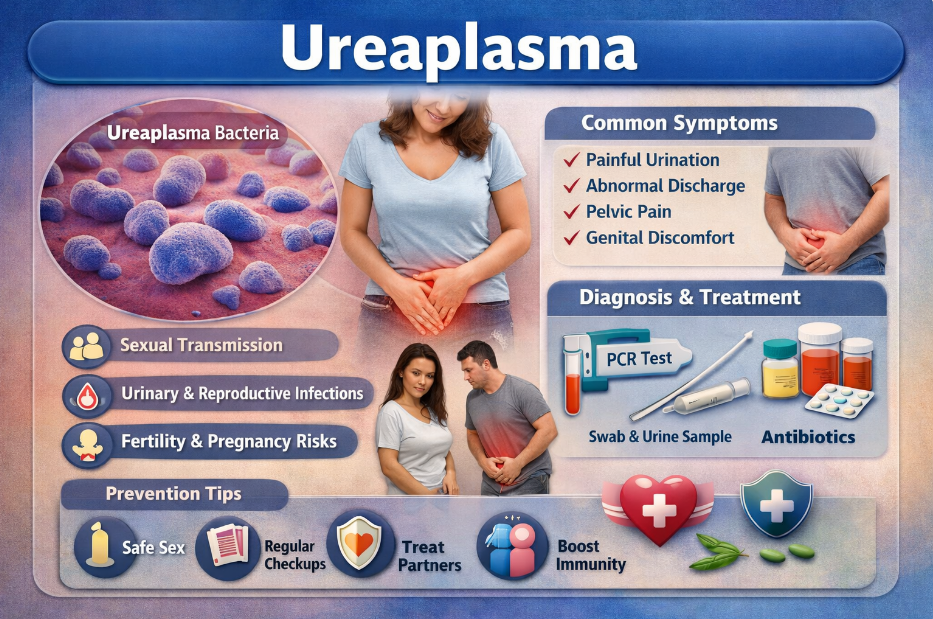
Ureaplasma is a type of bacteria commonly found in the human urogenital tract. While many people carry ureaplasma without experiencing any symptoms, in some cases it can cause infections and lead to health complications—especially related to sexual and reproductive health. Because ureaplasma often goes undiagnosed, it is an under-discussed but important topic in modern sexual health awareness.
In this article, you’ll learn what ureaplasma is, how it spreads, common symptoms in men and women, how it is diagnosed, available treatment options, and potential long-term risks if left untreated.
What Is Ureaplasma?
Ureaplasma is a genus of bacteria belonging to the Mycoplasmataceae family. The two main species that infect humans are:
Ureaplasma urealyticumUreaplasma parvum
Unlike many bacteria, ureaplasma does not have a cell wall, which makes it resistant to certain antibiotics such as penicillin. These bacteria live in the urinary and genital tracts and can be transmitted through sexual contact.
It’s important to note that ureaplasma is often considered part of the normal genital flora in healthy individuals. However, under certain conditions—such as a weakened immune system or changes in vaginal or urethral balance—it can become pathogenic and cause infections.
How Is Ureaplasma Transmitted?
Ureaplasma is primarily spread through sexual contact, including:
Vaginal intercourseOral sexGenital-to-genital contact
In some cases, ureaplasma can also be transmitted from mother to baby during childbirth. This can lead to neonatal infections, especially in premature infants.
Because ureaplasma is common and often asymptomatic, many people unknowingly carry and transmit it to partners.
Ureaplasma Symptoms
Many people with ureaplasma do not experience noticeable symptoms. When symptoms do occur, they can vary between men and women.
Ureaplasma Symptoms in Women
Abnormal vaginal dischargePelvic painBurning sensation during urinationPain during intercourseIrregular bleedingSymptoms similar to bacterial vaginosis or yeast infections
In some cases, ureaplasma may be associated with conditions such as cervicitis, endometritis, or pelvic inflammatory disease (PID).
Ureaplasma Symptoms in Men
Burning or pain during urinationClear or cloudy discharge from the penisUrethral irritationDiscomfort in the testiclesSymptoms similar to non-gonococcal urethritis (NGU)
Because these symptoms overlap with other sexually transmitted infections (STIs), ureaplasma is often misdiagnosed or overlooked.
Is Ureaplasma a Sexually Transmitted Infection (STI)?
Ureaplasma is not always classified as a traditional STI because it can exist naturally in the body without causing disease. However, it is sexually transmissible and may contribute to sexually related infections.
Many healthcare providers consider ureaplasma an opportunistic pathogen, meaning it can cause problems when the body’s natural balance is disrupted. In people with symptoms, testing and treatment are often recommended.
Ureaplasma and Fertility
One of the most searched topics related to ureaplasma is its link to fertility and pregnancy outcomes.
Ureaplasma and Female Fertility
Some studies suggest that untreated ureaplasma infections may be associated with:
InfertilityChronic pelvic infectionsMiscarriagePreterm laborComplications during pregnancy
While research is still ongoing, many fertility specialists screen for ureaplasma in individuals experiencing unexplained infertility.
Ureaplasma and Male Fertility
In men, ureaplasma has been linked to:
Reduced sperm motilityAbnormal sperm morphologyInflammation of the reproductive tract
These factors can negatively affect male fertility in some cases.
How Is Ureaplasma Diagnosed?
Ureaplasma is not typically included in routine STI screenings, which is why many infections go undetected. Diagnosis may involve:
PCR testing (polymerase chain reaction) – the most accurate methodUrine samplesVaginal or cervical swabs (for women)Urethral swabs (for men)
Doctors usually recommend testing when symptoms persist or when common STIs have been ruled out.
Ureaplasma Treatment Options
Because ureaplasma lacks a cell wall, certain antibiotics are ineffective. Treatment usually involves antibiotics that target bacterial protein synthesis.
Common Antibiotics for Ureaplasma
DoxycyclineAzithromycinClarithromycinLevofloxacin (in resistant cases)
Treatment duration may range from 7 to 14 days depending on severity and antibiotic choice. It’s essential that both partners receive treatment to prevent reinfection.
Can Ureaplasma Go Away on Its Own?
In some cases, ureaplasma may remain in the body without causing symptoms and does not require treatment. However, when symptoms or complications are present, medical treatment is recommended.
Ignoring symptomatic ureaplasma infections can increase the risk of complications, including chronic inflammation and reproductive health issues.
How to Prevent Ureaplasma Infection
While it may not always be possible to completely prevent ureaplasma, you can reduce your risk by:
Practicing safe sex (using condoms)Limiting the number of sexual partnersGetting regular sexual health checkupsEnsuring both partners are treated if diagnosedAvoiding douching or harsh vaginal products
Maintaining a healthy immune system through proper diet, sleep, and stress management can also help the body keep opportunistic bacteria in check.
When to See a Doctor
You should consult a healthcare provider if you experience:
Persistent urinary discomfort
Unusual genital discharge
Pelvic pain
Fertility issues
Symptoms that do not improve with standard STI treatment
Early diagnosis can prevent long-term complications and improve overall reproductive health outcomes.
Final Thoughts
Ureaplasma is a common but often misunderstood bacterium that can exist harmlessly in the body or cause significant health issues when conditions allow. Because symptoms are often mild or absent, many infections remain undiagnosed. Understanding the risks, recognizing symptoms, and seeking appropriate testing and treatment are key to maintaining sexual and reproductive health.
By raising awareness and encouraging proper screening, individuals can take proactive steps to protect themselves and their partners from ureaplasma-related complications.














Leave a Reply