

Introduction
Searching for an external pile photo is very common among people who suspect they may be suffering from piles (also known as hemorrhoids). Many individuals feel unsure or embarrassed about their symptoms and look online for visual references to confirm whether what they’re experiencing could be external piles. While photos can help with basic identification, understanding the symptoms, causes, stages, and treatment options is essential for proper care and recovery.
In this article, you’ll learn what external piles are, how they look, what symptoms they cause, why they develop, how doctors diagnose them, and the most effective medical and home treatment options. This guide is designed to provide clear, reliable information for anyone searching for external pile photos and related health information.
What Are External Piles?
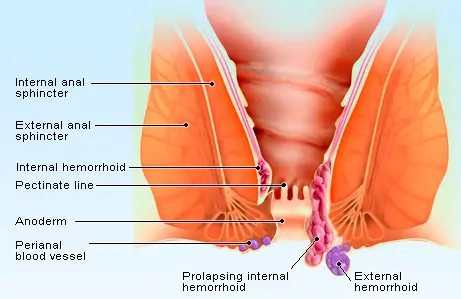
External piles, medically known as external hemorrhoids, are swollen veins that develop around the outer area of the anus. They form when pressure increases in the rectal or anal veins, causing them to enlarge and become inflamed. Unlike internal piles (which occur inside the rectum), external piles are visible and can often be felt as small lumps or swollen tissue near the anal opening.
External piles are common and can affect people of all ages, though they are more frequent in adults. They are not life-threatening, but they can cause significant discomfort and pain if left untreated.
How Do External Piles Look? (Understanding External Pile Photos)
People often search for external pile photos to visually compare their symptoms. While appearances vary, external piles usually look like:
-
Small or medium-sized swollen lumps near the anus
-
Soft or firm bumps under the skin
-
Reddish, bluish, or skin-colored swelling
-
Inflamed tissue around the anal opening
In some cases, external piles can become thrombosed (a blood clot forms inside the hemorrhoid), making them appear darker (purple or blue) and more painful. Thrombosed external piles are usually more noticeable in photos due to swelling and discoloration.
Important note: Photos found online are for reference only. A medical professional can provide an accurate diagnosis and rule out other conditions such as anal fissures, abscesses, or skin tags.
Common Symptoms of External Piles
External piles can cause a range of symptoms, including:
-
Pain or discomfort around the anus
-
Itching or irritation
-
Swelling or a noticeable lump
-
Bleeding during bowel movements
-
Tenderness when sitting or walking
-
Burning sensation after passing stool
Thrombosed external piles may cause sudden, severe pain and swelling. In some cases, symptoms improve on their own, but persistent or worsening symptoms should be evaluated by a doctor.
Causes of External Piles
Several factors contribute to the development of external piles, including:
-
Chronic constipation
-
Straining during bowel movements
-
Prolonged sitting (especially on the toilet)
-
Pregnancy and childbirth
-
Obesity
-
Low-fiber diet
-
Heavy lifting
-
Sedentary lifestyle
Increased pressure in the lower rectum weakens blood vessels, leading to swelling and the formation of piles.
Stages and Severity of External Piles
Unlike internal piles, which are graded by stages, external piles are usually classified by severity:
-
Mild external piles: Small swelling, mild discomfort
-
Moderate external piles: Visible lump, itching, occasional bleeding
-
Severe or thrombosed piles: Hard, painful swelling, severe discomfort, possible clot formation
Understanding the severity helps guide treatment options and recovery time.
Diagnosis: When to See a Doctor
If you’re searching for an external pile photo because of ongoing discomfort, it may be time to consult a healthcare professional. A doctor can diagnose external piles through:
-
Visual examination
-
Physical examination of the anal area
-
Ruling out other conditions like fissures or infections
Seek medical advice if you experience:
-
Heavy or persistent bleeding
-
Severe pain
-
Rapidly growing lumps
-
Fever or signs of infection
-
Symptoms that do not improve with home care
Treatment Options for External Piles
1. Home Remedies and Self-Care
For mild to moderate external piles, home treatments can be very effective:
-
Warm sitz baths (10–15 minutes, 2–3 times daily)
-
Applying cold compresses to reduce swelling
-
Using over-the-counter creams or ointments
-
Increasing fiber intake (fruits, vegetables, whole grains)
-
Drinking plenty of water
-
Avoiding straining during bowel movements
2. Medications
Doctors may recommend:
-
Topical anesthetics for pain relief
-
Anti-inflammatory creams
-
Stool softeners to reduce pressure during bowel movements
3. Medical Procedures
For severe or persistent external piles:
-
Drainage of thrombosed hemorrhoids (in some cases)
-
Minimally invasive procedures (less common for external piles)
-
Surgical removal in chronic or severe cases
A healthcare provider will decide the best approach based on severity and symptoms.
Prevention Tips for External Piles
You can reduce your risk of developing external piles by:
-
Eating a high-fiber diet
-
Staying hydrated
-
Exercising regularly
-
Avoiding prolonged sitting
-
Going to the bathroom when you feel the urge
-
Avoiding straining or holding your breath while passing stool
Small lifestyle changes can significantly lower the chances of recurrence.
External Piles vs Other Anal Conditions
People often confuse external piles with other conditions. External pile photos may look similar to:
-
Anal fissures (small tears in the skin)
-
Skin tags
-
Perianal abscess
-
Warts
This is why visual comparison alone is not a reliable diagnosis. A professional evaluation ensures proper treatment and peace of mind.
Final Thoughts
Searching for an external pile photo is often the first step people take when trying to understand their symptoms. While images can help with basic recognition, proper diagnosis and treatment are essential to prevent complications and reduce discomfort. External piles are common and manageable with early care, lifestyle changes, and, when needed, medical treatment.
If symptoms persist, worsen, or interfere with daily life, seeking medical advice can lead to faster relief and better long-term outcomes.











Leave a Reply