

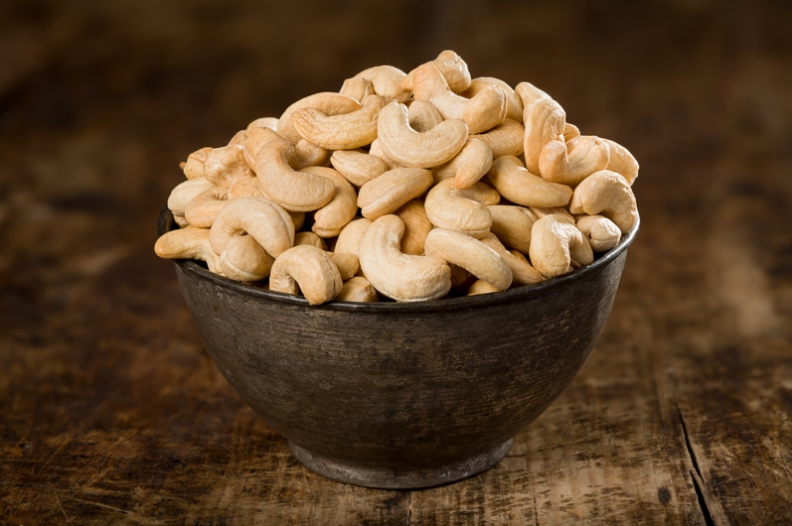
Cashews are more than just a delicious snack. These kidney-shaped nuts are packed with essential nutrients, healthy fats, and plant-based protein, making them one of the most versatile foods in the world. Whether eaten raw, roasted, or used in recipes, cashews offer incredible health benefits and are a staple in many diets.
In this article, we’ll explore everything you need to know about cashews—their nutrition, health benefits, culinary uses, potential side effects, and why you should consider adding them to your diet.
What Are Cashews?
Cashews come from the cashew tree (Anacardium occidentale), a tropical evergreen native to Brazil but now widely grown in India, Vietnam, and several African countries. The cashew nut grows inside a kidney-shaped shell that hangs beneath the cashew apple (a fruit often used to make juice or fermented drinks).
Fun fact: Cashews are technically seeds, not nuts, but they are commonly classified as nuts due to their similar nutritional profile and culinary uses.
Nutrition Profile of Cashews
Cashews are nutrient-dense, providing a balance of healthy fats, protein, and essential vitamins and minerals.
One ounce (28g) of raw cashews contains approximately:
Calories: 155
Protein: 5g
Fat: 12g (mostly unsaturated fats)
Carbohydrates: 9g
Fiber: 1g
Magnesium: 20% of daily needs
Copper: 69% of daily needs
Manganese: 20% of daily needs
Iron: 10% of daily needs
Cashews are particularly rich in copper, magnesium, and antioxidants, which are vital for overall health.
Health Benefits of Cashews
1. Promote Heart Health
Cashews contain heart-healthy monounsaturated and polyunsaturated fats. These fats help reduce bad cholesterol (LDL) while boosting good cholesterol (HDL), lowering the risk of heart disease.
2. Support Healthy Bones
Magnesium and copper in cashews play a crucial role in maintaining bone density and strength. Regular consumption can help prevent osteoporosis and bone-related issues.
3. Aid in Weight Management
Though cashews are calorie-dense, they are also filling. The protein, fiber, and healthy fats help control hunger, making them a great snack for weight management when eaten in moderation.
4. Improve Brain Function
Cashews provide essential nutrients like magnesium, zinc, and copper, which support cognitive function, nerve signaling, and overall brain health.
5. Boost Immune System
Packed with antioxidants, zinc, and vitamins, cashews strengthen the immune system and help the body fight off infections.
6. Enhance Skin and Hair Health
The copper in cashews promotes melanin production, which contributes to healthy skin and hair pigmentation. The antioxidants also combat aging signs.
Culinary Uses of Cashews
One of the reasons cashews are so popular worldwide is their versatility in cooking.
Snacking: Eat them raw, roasted, salted, or spiced.
Dairy Alternatives: Cashews are used to make cashew milk, cashew butter, vegan cheese, and creamy sauces.
Cooking & Baking: They add crunch to stir-fries, curries, and desserts.
Cashew Flour: A gluten-free alternative for baking.
Cashew Cream: A vegan substitute for heavy cream in soups and pasta dishes.
Cashews in Different Cuisines
Indian Cuisine: Cashews are widely used in gravies, sweets (like kaju katli), and biryanis.
Asian Cuisine: Often added to stir-fried dishes for extra crunch.
Western Cuisine: Used in desserts, energy bars, and plant-based recipes.
How Many Cashews Should You Eat Per Day?
While cashews are healthy, they are also calorie-dense. A moderate serving of a small handful (about 1 ounce or 15–18 cashews per day) is recommended. Overeating can lead to excess calorie intake, which may contribute to weight gain.
Potential Side Effects of Cashews
Allergic Reactions: Cashew allergies are less common than peanut allergies but can be severe.
High in Calories: Eating too many cashews may lead to weight gain.
Oxalate Content: Cashews contain oxalates, which may contribute to kidney stone formation in sensitive individuals.
Salted Varieties: Commercial salted cashews can raise sodium levels, which may affect blood pressure.
Buying and Storing Cashews
Choose wisely: Opt for unsalted, raw, or dry-roasted cashews for maximum health benefits.
Storage: Keep cashews in an airtight container in a cool, dark place. Refrigerating or freezing extends their shelf life and prevents them from turning rancid.
Cashews vs. Other Nuts
Cashews vs. Almonds: Cashews have slightly more carbs but are creamier, making them popular for dairy substitutes.
Cashews vs. Walnuts: Walnuts are higher in omega-3 fatty acids, while cashews are richer in iron and magnesium.
Cashews vs. Peanuts: Peanuts are legumes, not true nuts, and are higher in protein but lower in certain minerals compared to cashews.
Final Thoughts
Cashews are a delicious and nutrient-packed food that fits perfectly into a balanced diet. They provide essential vitamins, minerals, and healthy fats that benefit heart health, brain function, immunity, and even weight management.
Whether you enjoy them as a snack, in creamy sauces, or as part of your favorite dish, cashews are more than just tasty—they’re a powerhouse of nutrition.
By adding a small portion of cashews to your daily diet, you can enjoy both their flavor and health benefits.














Leave a Reply