
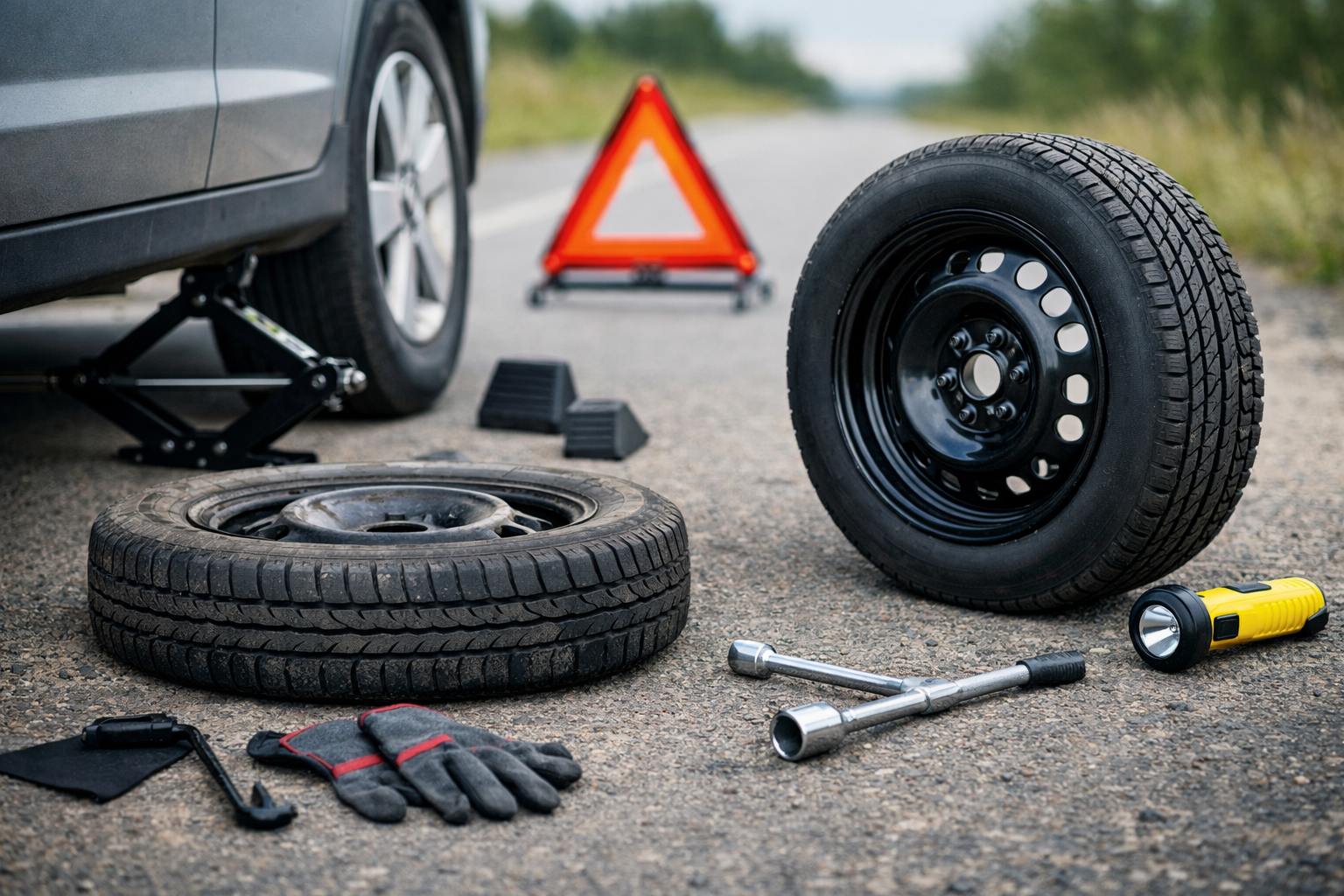
Changing a tire is an essential skill for every driver. Whether you face a flat tire on the highway or need to replace a worn-out tire at home, knowing how to change a tire can save you time, money, and stress. In this comprehensive guide, we’ll walk you through everything you need to know—from safety tips to step-by-step instructions—so you can confidently handle a tire change anytime.
Why You Should Know How to Change a Tire
Unexpected tire problems can happen at any time. Road hazards, worn-out tires, or sudden punctures can leave you stranded. Understanding how to change a tire not only ensures your safety but also helps you avoid expensive towing services.
Some key reasons to know how to change a tire include:
Emergency readiness: Never be caught off guard during a flat tire.
Cost savings: Avoid paying roadside assistance fees.
Confidence on the road: Gain the skills to handle minor car issues yourself.
Vehicle maintenance: Regularly checking and changing tires prolongs their lifespan.
Tools You’ll Need to Change a Tire
Before you start, make sure you have the necessary tools. Having the right equipment makes the process easier and safer. You’ll need:
Spare tire: Check that it’s fully inflated.
Car jack: Used to lift the vehicle safely.
Lug wrench: For loosening and tightening lug nuts.
Wheel wedges: To prevent your car from rolling.
Flashlight: If you’re changing a tire in low-light conditions.
Gloves: To keep your hands clean and safe.
Owner’s manual: Your car may have specific instructions.
Step-by-Step Guide on How to Change a Tire
Follow these steps carefully to change a tire safely:
1. Find a Safe Location
If your tire blows out while driving, don’t panic. Slowly reduce your speed and pull over to a flat, stable area away from traffic. Turn on your hazard lights to alert other drivers.
2. Apply Wheel Wedges
Place wheel wedges in front of or behind the tires opposite the one you’re changing. This prevents the vehicle from rolling. For example, if you’re changing a rear tire, put wedges in front of the front tires.
3. Loosen the Lug Nuts
Use the lug wrench to slightly loosen the lug nuts on the flat tire. Do not remove them completely yet. Loosening while the tire is still on the ground prevents it from spinning.
4. Raise the Vehicle with a Jack
Refer to your vehicle’s owner manual for the proper jack placement. Slowly lift the car until the flat tire is about 6 inches off the ground. Ensure the car is stable before proceeding.
5. Remove the Flat Tire
Now fully remove the loosened lug nuts and carefully pull the tire straight off. Place it flat on the ground to prevent rolling.
6. Mount the Spare Tire
Align the spare tire with the lug bolts and push it onto the hub. Hand-tighten the lug nuts as much as possible.
7. Lower the Vehicle and Tighten Lug Nuts
Slowly lower the car using the jack until the spare tire touches the ground but isn’t fully bearing weight. Use the lug wrench to tighten the lug nuts in a star pattern to ensure even pressure.
8. Fully Lower the Car and Double-Check
Lower the car completely and remove the jack. Double-check all lug nuts for tightness. Properly tightened lug nuts are crucial for safety.
9. Store Your Tools and Flat Tire
Place the flat tire, jack, and wrench back in your vehicle. If the tire is repairable, take it to a professional as soon as possible.
Safety Tips When Changing a Tire
Changing a tire can be dangerous if proper precautions aren’t taken. Keep these tips in mind:
Always use a flat, stable surface: Avoid soft or sloped areas.
Engage the parking brake: This ensures the car doesn’t move unexpectedly.
Wear gloves and protective clothing: Prevent injuries and dirt.
Check spare tire pressure: A flat spare is just as problematic.
Do not rush: Take your time to avoid accidents.
Common Mistakes to Avoid
Even experienced drivers can make mistakes when changing a tire. Here are the most common errors:
Not loosening lug nuts before jacking up the car: Makes it harder to remove the tire.
Incorrect jack placement: Can damage the vehicle or cause accidents.
Skipping wheel wedges: Leads to rolling hazards.
Not tightening lug nuts properly: Can result in a loose tire while driving.
Using a worn or damaged spare: Could be unsafe for road use.
Additional Tips for Tire Maintenance
Regular maintenance reduces the likelihood of getting a flat tire. Consider these tips:
Check tire pressure monthly: Proper inflation extends tire life.
Inspect tread depth: Replace tires with low tread.
Rotate tires regularly: Improves wear balance.
Avoid potholes and debris: Minimizes tire damage.
When to Seek Professional Help
Sometimes, changing a tire on your own isn’t feasible. Call for professional help if:
The spare tire is missing or flat.
You don’t have the necessary tools.
The vehicle is in an unsafe location.
You feel unsure or unsafe doing it yourself.
Conclusion
Knowing how to change a tire is a valuable skill that every driver should have. By following this step-by-step guide and taking necessary safety precautions, you can handle a flat tire with confidence. Regular tire maintenance, careful driving, and proper tools can save you from road stress and unexpected expenses.
With these tips, you’ll not only be prepared for emergencies but also improve your overall vehicle safety and efficiency.
Pro Tip: Keep a small emergency kit in your car with a spare tire, jack, lug wrench, flashlight, gloves, and reflective triangles. Being prepared is the best way to stay safe on the road.
This article is fully SEO-optimized for “how to change a tire”, uses related keywords naturally, and provides value to readers, which helps boost traffic and ranking potential.













Leave a Reply